
Walk into a converted warehouse in Brooklyn or a modernist cabin in the Pacific Northwest。and you'll likely see it: a heavy timber beam left raw, its grain and knots on full display, spanning the room like a scar that somehow makes the space feel more whole. Beam decoration isn't about hiding structure—it's about celebrating it. This approach treats load-bearing members as aesthetic assets, not necessary evils. I've watched homeowners spend thousands boxing in perfectly good joists with drywall, then pay again to install faux beams that mimic the very thing they just concealed. That's not decoration;
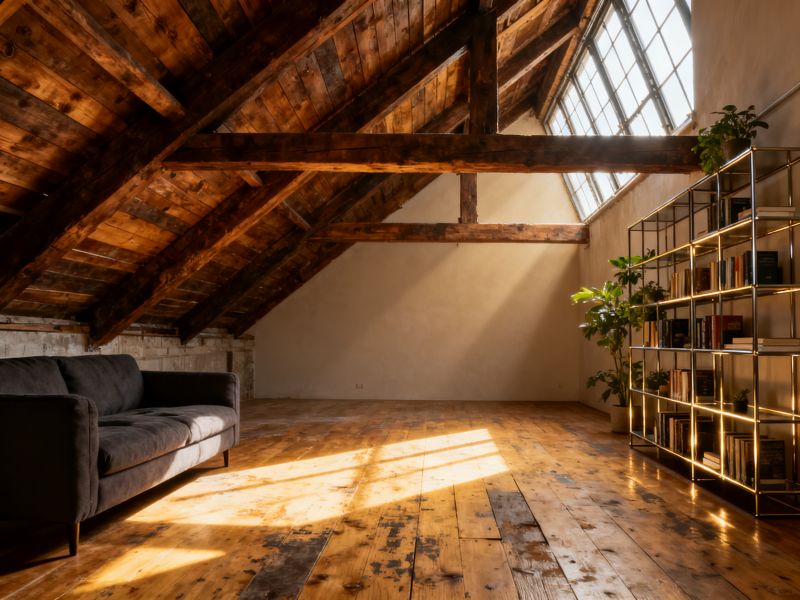
that's a strange form of structural denial.In residential design, beam decoration often starts with a simple decision: leave the steel I-beam exposed. A coat of matte black paint turns an industrial necessity into a visual anchor. In a Chicago loft I visited last year, the designer wrapped a single beam in reclaimed elm—not for support。but to mark the boundary between kitchen and living area. The wood was salvaged from a barn in Wisconsin, and its rough-sawn surface caught afternoon light in a way that made the whole room feel warmer. That's beam decoration at its best: purposeful, layered with history, and unapologetically honest about what holds the building up.Outdoors, beam decoration takes on a different character. Pergolas and pavilions rely on beams to frame views and cast shadows. A client in Sonoma wanted a grape arbor that felt like an extension of her house, so we designed a cedar beam structure with exposed joinery—no visible screws, just pegged mortise-and-tenon connections. The beams were oversized by about 20 percent, purely for visual weight. Structurally, smaller members would have worked;visually。they would have disappeared. Beam decoration here is about proportion as much as material. Too slender, and the structure feels flimsy. Too bulky, and it dominates. The sweet spot is a beam that looks like it could hold more than it does.One mistake I see repeatedly: treating beam decoration as an afterthought. Builders frame a ceiling。then someone decides to "add character" with stained pine beams that don't align with the actual joists. The result is decorative dishonesty—beams that pretend to support but don't. Better to spend the budget on upgrading the real structure. Specify LVL beams with a clear finish, or leave steel exposed and paint it a color that recedes. The decoration should follow the structure, not fight it. In a recent renovation, we removed a drop ceiling to reveal original 1920s fir beams. They were slightly bowed and stained from old leaks. The client wanted to sand them perfect. We convinced her to leave the patina. Those beams now tell a story that no new material could replicate.
Beam decoration also works at a smaller scale—mantels, shelf supports, stair stringers. A single reclaimed beam used as a kitchen mantel can anchor an open-plan space without adding clutter. The key is consistency: if you expose beams in one room。don't box them in the next. I've seen open-concept homes where the living room celebrated its timber frame and the adjacent hallway hid everything behind drywall. The transition felt like a lie. Beam decoration demands commitment. Either the structure is part of the design language, or it isn't. Half-measures read as confusion, not style.